Kawaii Animal Tiger Icon: Beyond Cute, A Strategic Design Asset
An Icon with Personality and Purpose
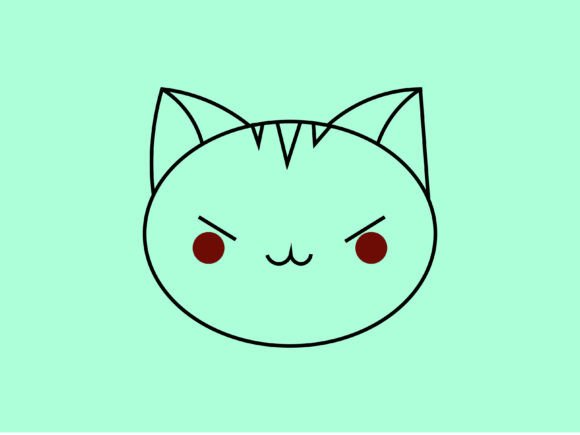
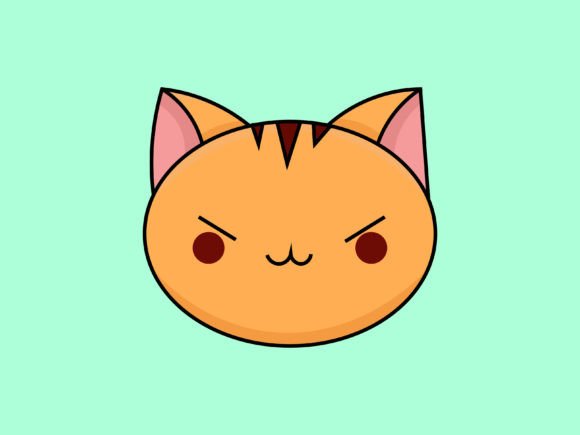
When you first see the Kawaii Animal Tiger Icon, you notice its charm. The design captures the essence of a tiger—those distinctive stripes, the recognizable feline form—but filters it through a lens of approachability. The eyes are large and expressive, the features are soft and rounded, and the overall silhouette feels friendly rather than ferocious. This isn't a realistic wildlife illustration. It's a character, a personality distilled into a visual mark.
The appeal here lies in versatility. The Kawaii Animal Tiger Icon works because it communicates warmth and playfulness without sacrificing clarity. The lines are clean, the shapes are bold, and the color palette (depending on your application) can range from classic orange-and-black to pastel tones or even monochrome. It reads well at small sizes—think a favicon or a phone case detail—and scales up gracefully for larger prints like totebags or posters. The design avoids unnecessary complexity, which means it reproduces consistently across different mediums and production methods.
Where This Icon Finds Its Home
Think about the projects where personality matters most. Children's book covers, for instance, need illustrations that invite young readers in. The Kawaii Animal Tiger Icon fits naturally here, offering a friendly face that kids connect with immediately. It works on the cover, as a chapter divider, or as a recurring character motif throughout the pages. Easter-themed designs benefit from its cheerful energy—imagine it paired with pastel eggs and spring florals on printed paper or greeting cards.
Beyond publishing, the icon translates well to merchandise. Phone cases rely on bold, recognizable graphics that look good from a distance and hold up under close inspection. A kawaii tiger illustration checks both boxes. Totebags, t-shirts, and pillows follow the same logic: the design needs to be distinctive enough to stand out in a product listing and appealing enough that someone wants to carry it around or display it in their home. Social media graphics—profile pictures, story highlights, post illustrations—benefit from an icon that's memorable and easy to identify at thumbnail size.
For entrepreneurs and small business owners, this kind of design asset saves time. Instead of commissioning custom illustration work for every product or platform, you start with a foundation that already works. The included file formats—AI, EPS, JPG at 300dpi, and PNG at 300dpi—cover the major use cases. Vector formats (AI and EPS) let you resize without quality loss, adjust colors to match your brand palette, or modify elements for specific applications. The high-resolution raster files are ready for print production or digital use without additional processing.
Design Decisions That Shape Perception
Choosing an icon like this isn't just about aesthetics—it's about communication. The kawaii style signals certain things to an audience: playfulness, approachability, creativity, a sense of fun. If your brand or project leans into those qualities, the Kawaii Animal Tiger Icon reinforces your message visually. A children's educational brand, a pet-themed small business, a creative blog, a stationery line—these are contexts where the visual language aligns naturally with the audience's expectations.
Consider how the icon interacts with other design elements around it. Typography choices matter. Pairing the tiger icon with a clean sans serif font creates a modern, balanced look—professional but not stiff. A handwritten or script font adds warmth and reinforces the playful character. For editorial design or book layouts, mixing a bold display font for headlines with a readable serif or sans serif body text gives you hierarchy while keeping the overall tone consistent. The icon itself becomes part of that visual system, anchoring the design with a recognizable mark.
Color is another lever. The classic tiger palette—warm oranges, deep blacks, soft creams—feels natural and grounded. Swapping to pastels gives it an Easter-ready, springtime feel. Going monochrome in black or white creates a more sophisticated, versatile version that works across different backgrounds and brand contexts. The vector file formats make these adjustments straightforward, so you're not locked into a single colorway.
Practical Considerations Before You Commit
Evaluate fit before you download. Look at your existing brand identity or project direction. Does a kawaii-style illustration complement your other visual elements, or does it clash? If your brand leans minimalist and corporate, this icon might feel out of place. If your audience skews younger, family-oriented, or creatively inclined, it's a strong match.
Test the icon at the sizes you'll actually use. A design that looks charming on screen might lose detail when printed small on a notebook spine, or it might feel too simple when blown up for a poster. The 300dpi files handle print quality well, but you still want to verify that the visual weight and detail level work for your specific application.
Think about font pairing if you're combining the icon with text. The Kawaii Animal Tiger Icon has a rounded, soft quality—pairing it with an overly rigid or ultra-thin typeface can create visual tension. Look for typefaces with similar warmth: rounded sans serifs, friendly serifs, or casual handwritten fonts. That said, contrast can work if it's intentional. A bold, structured display font next to the soft icon creates an interesting dynamic that draws attention.
Finally, check the licensing terms for your intended use. Commercial projects—selling products, using the icon in client work, publishing for profit—require appropriate licensing. The included files give you flexibility across formats, but understanding the usage rights protects you and your business down the line. This is standard practice with any design asset, and it's worth the few minutes it takes to review.
The Kawaii Animal Tiger Icon is a practical, versatile design element. It brings personality to children's books, merchandise, digital content, and branded materials without requiring custom illustration work. The multiple file formats support both print and digital workflows, and the kawaii style communicates warmth and approachability that resonates across age groups and project types. For designers, marketers, and creators looking for a reliable, characterful visual asset, it's worth serious consideration.