Wild Watercolor: Bringing Nature to Life with Clip Art
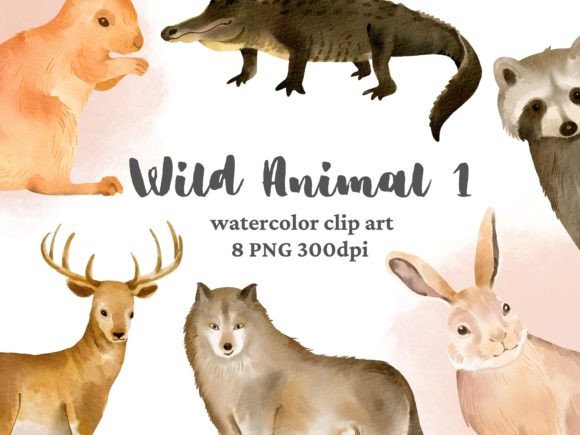
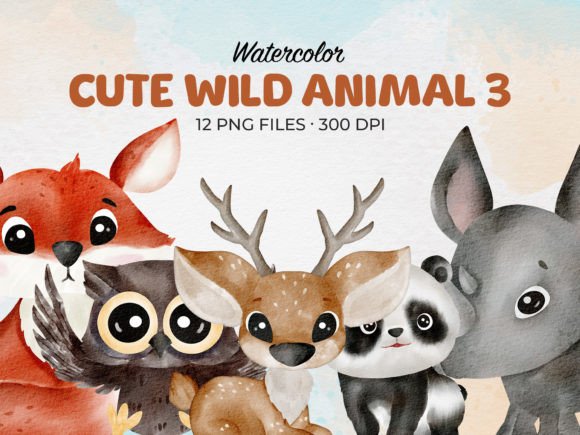
There is a specific kind of magic that happens when watercolor pigment hits wet paper. It bleeds, blooms, and creates textures that feel alive. For digital creators, replicating that organic, hand-painted look can be difficult using standard vector tools. This is where the Watercolor Wild Animal 3 Clip Art collection steps in. It bridges the gap between traditional artistry and modern digital design, offering a set of 12 high-resolution PNG files that capture the raw beauty of the wild.
Unlike rigid digital illustrations, these assets have personality. The brushstrokes are visible, the color gradients are soft, and the imperfections are celebrated. This collection is not just a set of images; it is a toolkit for adding warmth, texture, and a natural aesthetic to any project. Whether you are building a brand, designing a nursery, or creating merchandise, the visual language of watercolor speaks a universal dialect of artistry and care.
The Visual Weight of Watercolor Elements
When we talk about typography and design assets, we often discuss "visual weight." A heavy, bold serif font demands attention, while a light sans-serif font recedes into the background. Watercolor clip art operates similarly, but with emotion. The Watercolor Wild Animal 3 Clip Art brings a distinct visual weight that feels substantial yet delicate.
The style here is defined by its transparency and layering. Because these files feature transparent backgrounds, they can be overlaid on different textures without creating harsh, white boxy edges. This is crucial for packaging design and editorial design, where images need to blend seamlessly with the page layout. The color palette typically leans into earthy tones—ochres, greens, slate blues, and soft pinks—which grounds the designs in reality while maintaining that artistic, hand-made vibe.
For the creator, this means you don't have to be a skilled painter to achieve a painted look. The heavy lifting is done. The challenge shifts from "how do I draw this?" to "how do I arrange this?" It allows for a modern typography approach where text and image interact fluidly rather than competing for dominance.
Strategic Applications for Designers and Entrepreneurs
Understanding the asset is one thing; knowing where to deploy it is another. The versatility of this clip art set makes it a valuable design asset for a wide range of industries. Here is how different professionals can leverage these elements to elevate their work.
Branding and Logo Design
For small businesses—especially those in eco-friendly sectors, children’s education, or artisanal goods—watercolor elements can define a brand identity. A soft, watercolor illustration of a wild animal can serve as a secondary mark or a primary icon. It suggests that the brand is approachable, organic, and detail-oriented. When paired with a clean sans-serif font, the watercolor art provides a necessary contrast, softening the corporate edge of modern typefaces.
Merchandise and Print-on-Demand (POD)
The digital product market is saturated with flat graphics. To stand out on platforms like Etsy or Shopify, texture is key. These PNGs are ideal for Print-on-Demand (POD) products. Imagine a tote bag featuring a watercolor tiger or a notebook cover with a soft, painted elephant. The high-resolution (300DPI) quality ensures that these images look crisp even when printed on fabric or large mugs. It transforms a generic item into a piece of art.
Digital Content and Social Media
In the realm of web design and social media graphics, scroll-stopping power is everything. Static, flat colors often blend into the feed. However, the organic texture of watercolor catches the eye. Content creators and bloggers can use these elements to break up text-heavy posts, create engaging backgrounds for quotes, or design unique headers for their websites. The "personality" of the brushstrokes adds a human touch to digital screens, which helps in building trust with an audience.
Harmonizing Art with Typography
One of the most common struggles in design is pairing images with text. A creative font choice can make or break a layout. When using the Watercolor Wild Animal 3 Clip Art, you need to consider how your typeface interacts with the organic shapes of the illustration.
Font Pairing Principles:
- Contrast is King: If the illustration is busy and textured, pair it with a clean, legible sans-serif font. Avoid using a script font or handwritten font over a detailed watercolor animal, as the visual noise will make the text unreadable.
- Hierarchy Matters: Use the clip art to establish the mood, but let the typography establish the hierarchy. If you are designing a poster, the animal might be the focal point, but the headline needs to be bold enough to stand out. A strong display font can anchor the floating nature of the watercolor elements.
- Spacing and Breathing Room: Watercolor art often has irregular edges. Give your text plenty of padding. Do not crowd the illustration. This creates a cleaner, more professional layout that respects the artwork.
The goal is visual harmony. You want the viewer to see the image and the text as a single cohesive unit, not two separate parts glued together.
Technical Considerations and Licensing
Before you download and start creating, it is important to understand the technical specifications and licensing of the Watercolor Wild Animal 3 Clip Art. Being a savvy designer means respecting the tools you use.
File Formats and Quality:
The set includes 12 PNG files. The "transparent background" feature is non-negotiable for professional work; it saves hours of masking time. The "Hi-res 300DPI" specification is the industry standard for print. If you were to use 72DPI web images for a t-shirt design, the result would be pixelated and blurry. This set is built for production.
Commercial Usage:
For entrepreneurs, the "commercial font" and asset licensing is vital. The prompt notes that these are suitable for products and POD. However, always double-check the specific license regarding reselling the raw files. You are generally safe to sell products featuring the art (like a mug with a tiger on it), but you cannot resell the PNG file itself as a digital download to other designers. This distinction keeps your business ethical and legal.
Evaluating the Fit for Your Project
Not every project calls for watercolor. If you are designing a tech startup's landing page or a high-fashion lookbook, the soft, organic nature of wild animal art might feel out of place. However, if your audience values nature, creativity, childhood, or artisanal quality, this clip art is a perfect match.
Think about the audience engagement you want to trigger. Watercolor evokes nostalgia and calm. It feels human. In a world of AI-generated perfection and vector precision, these hand-painted textures offer a breath of fresh air. They tell the viewer that time and care went into the design, which subconsciously boosts the perceived value of your product.
Ultimately, the Watercolor Wild Animal 3 Clip Art is more than just decoration. It is a functional design tool that injects personality into digital and physical products. By combining these assets with thoughtful typography and strategic layout, you can create work that is not only beautiful but also commercially viable. Whether you are a hobbyist making invitations or a small business owner building a brand, these elements provide the foundation for designs that truly stand out.